Blacksmithing is the oldest fabrication discipline in the gallery. Everything else — electrochemical etching, casting, precision measurement — descends from the same root: heat the metal until it moves, then make it do what you want before it cools. The forge is the beginning of that conversation.
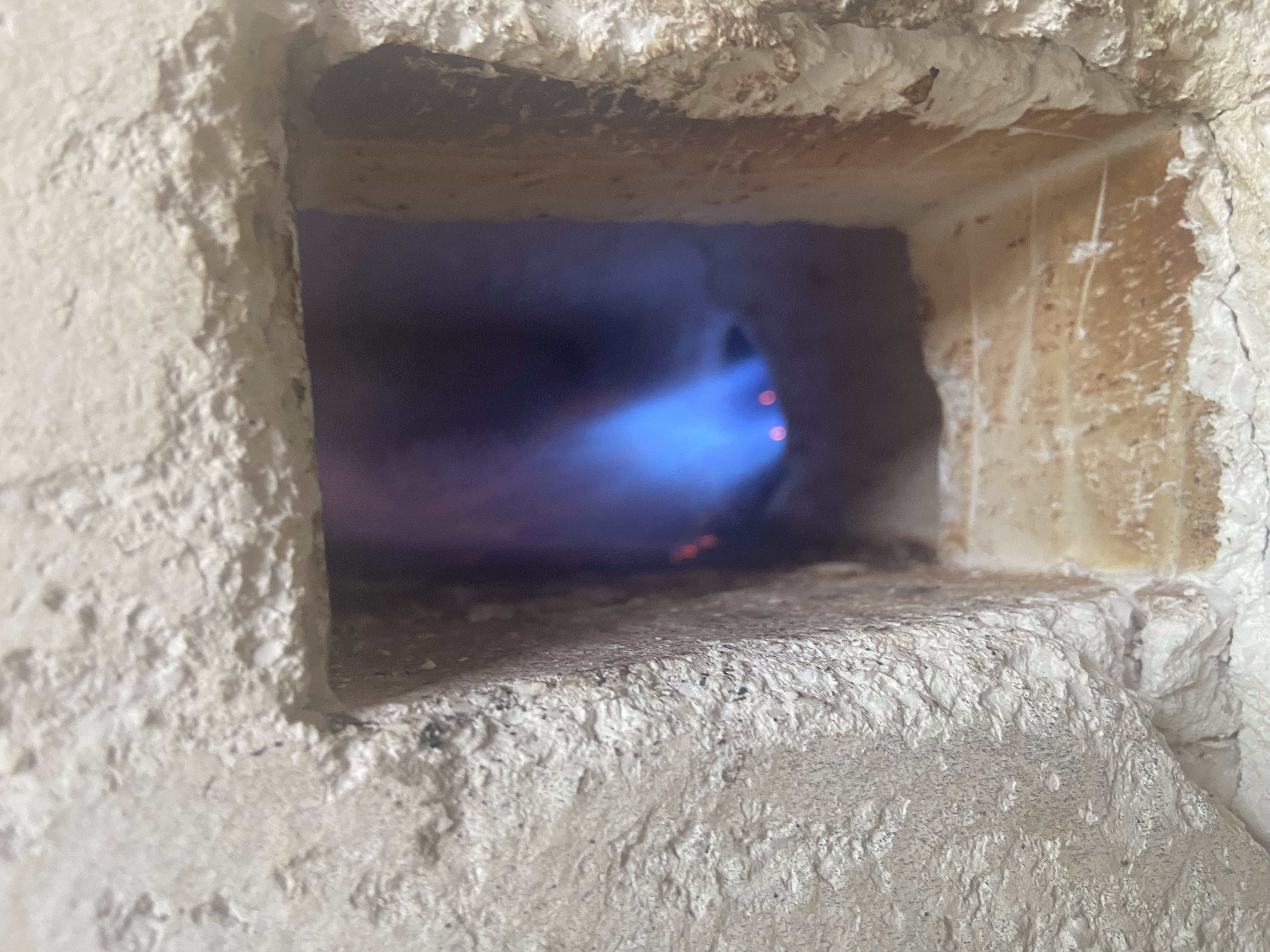
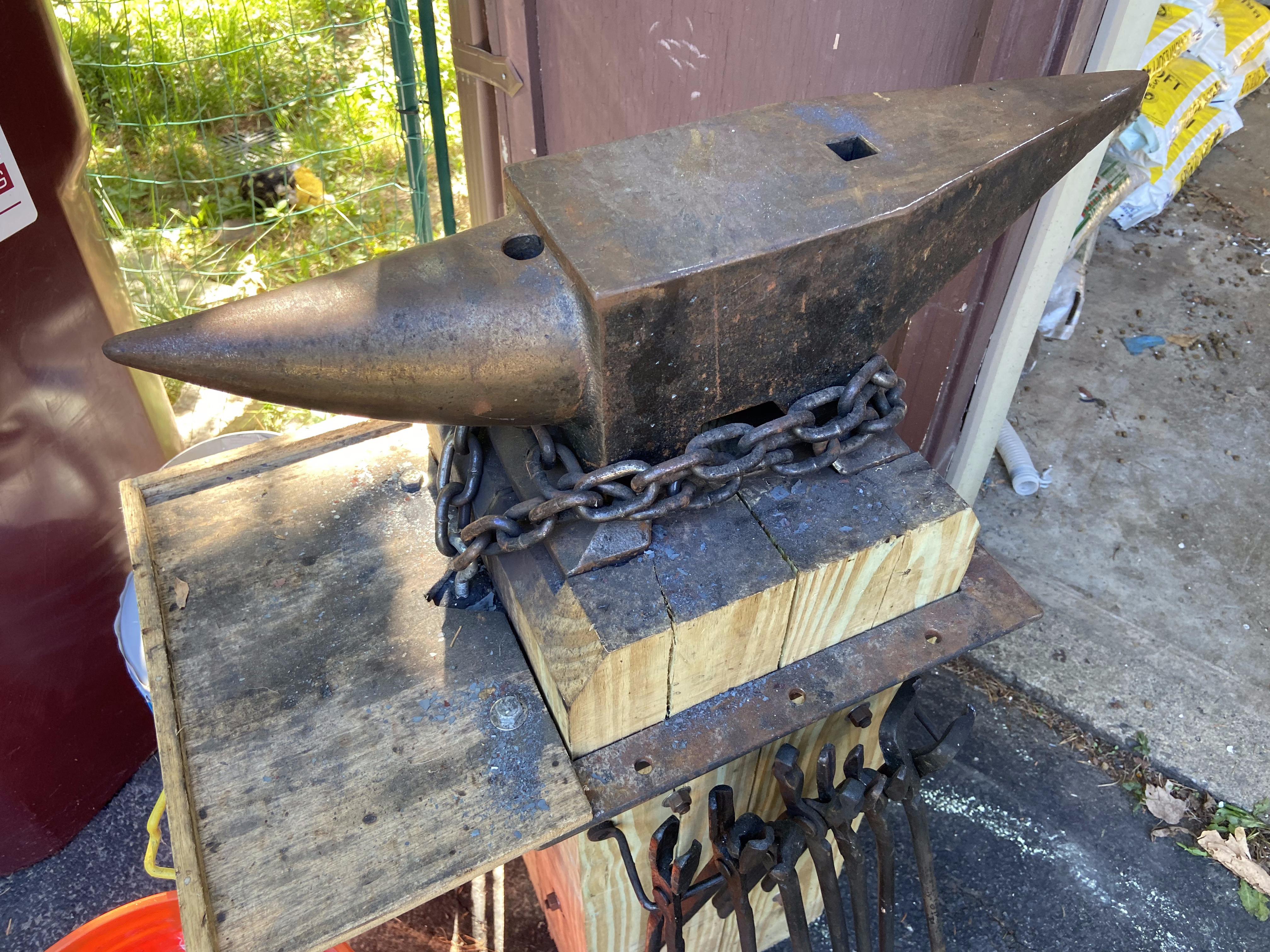
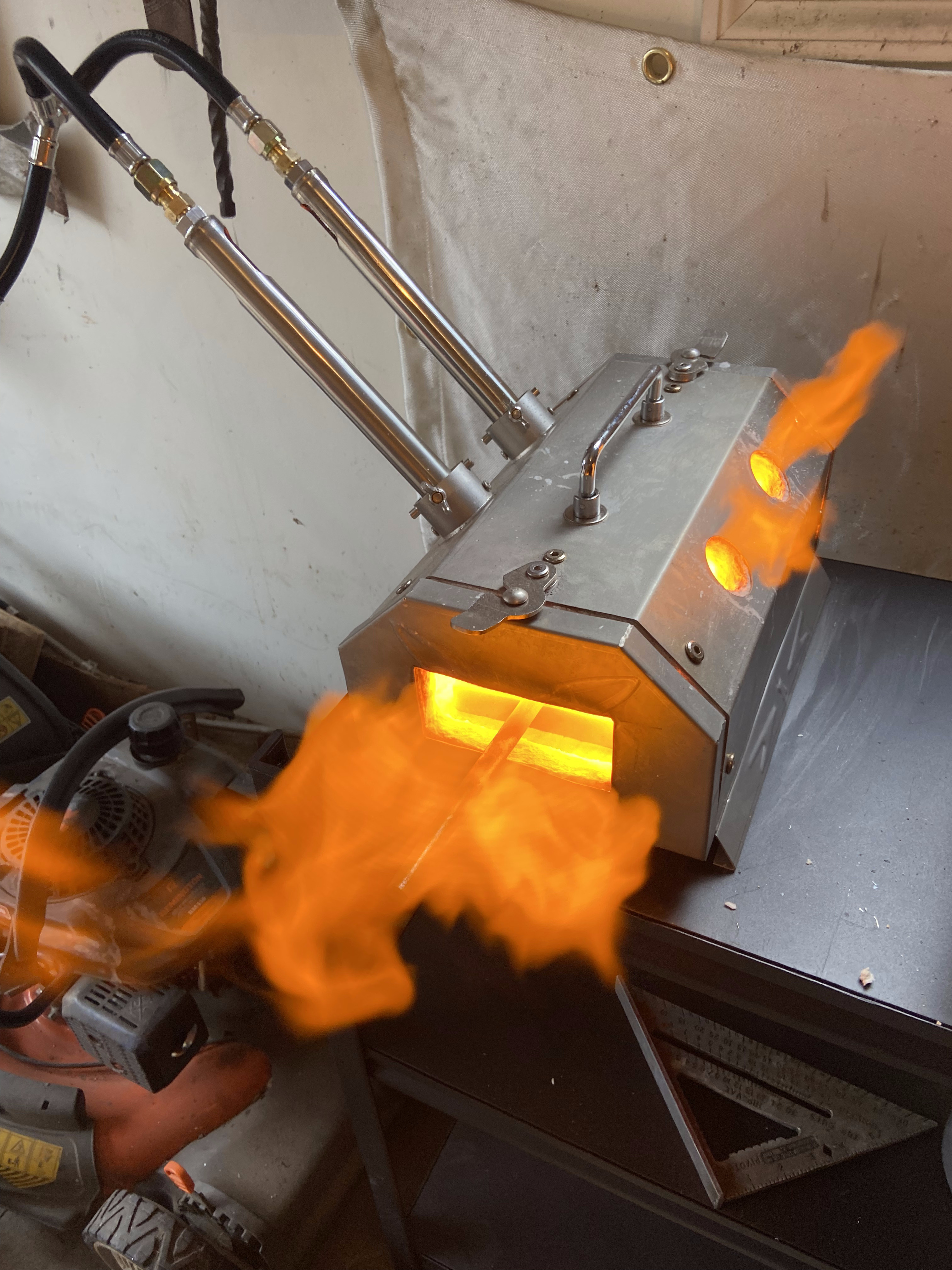
The forge here runs on propane with a forced-air burner. It reaches welding temperature in under fifteen minutes and holds a working heat that lets a piece of mild steel stay plastic long enough to draw, upset, twist, and punch without a second heat. The anvil is a 200-pound cast steel block chained to a hardwood stump — chain damping is an old trick that absorbs rebound vibration and reduces ringing. The workshop becomes quieter. The hammer work becomes cleaner.
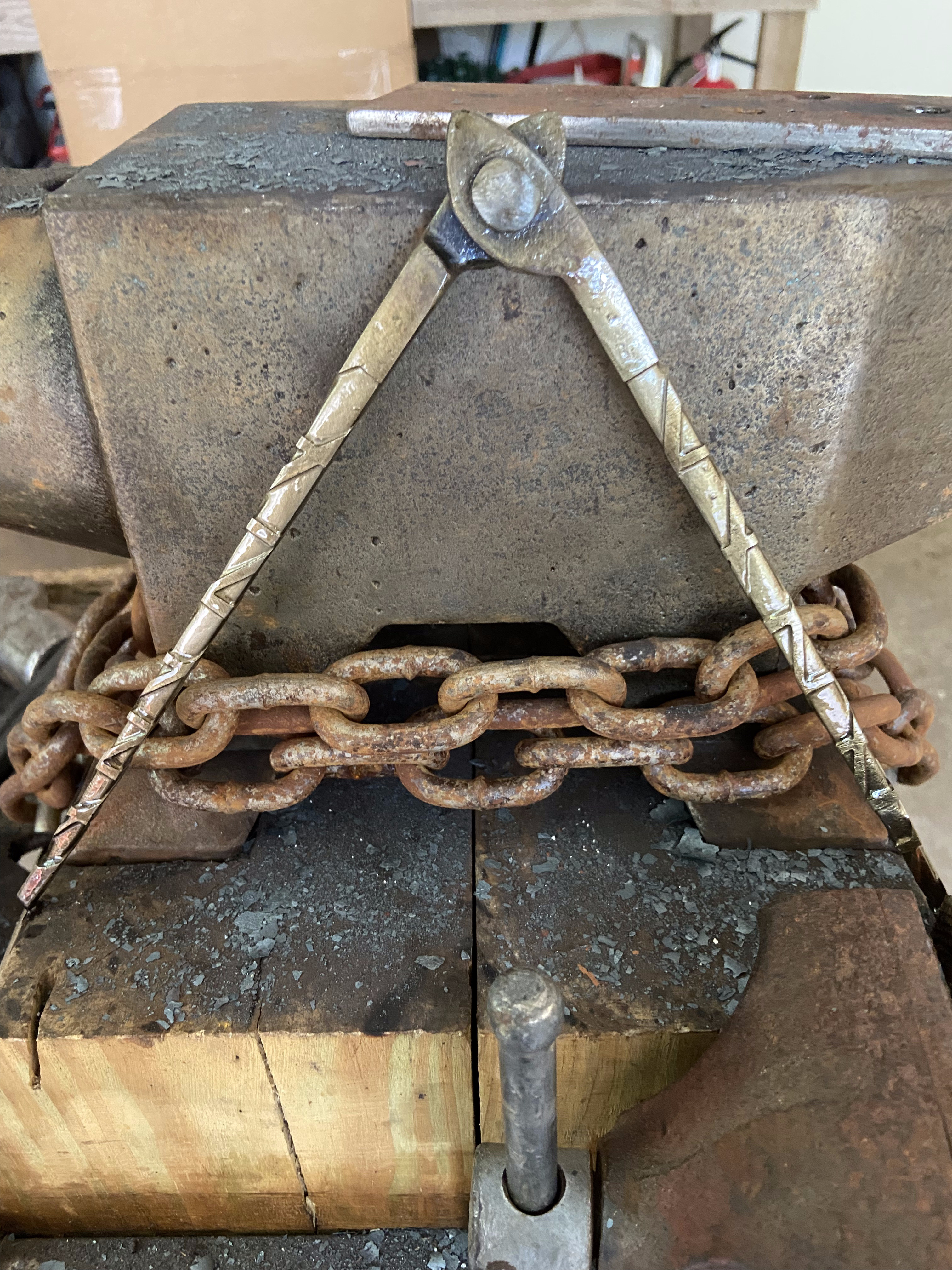
First projects followed the standard curriculum: S-hooks, bottle openers, simple tenons. Then tongs — the tool that makes all other tools possible. A pair of bolt tongs forged to fit a specific stock size teaches you more about the mechanics of controlled bending than anything else. You are making a tool that must hold a glowing piece of iron without slipping while you hit it with a hammer. The tolerances are felt, not measured.
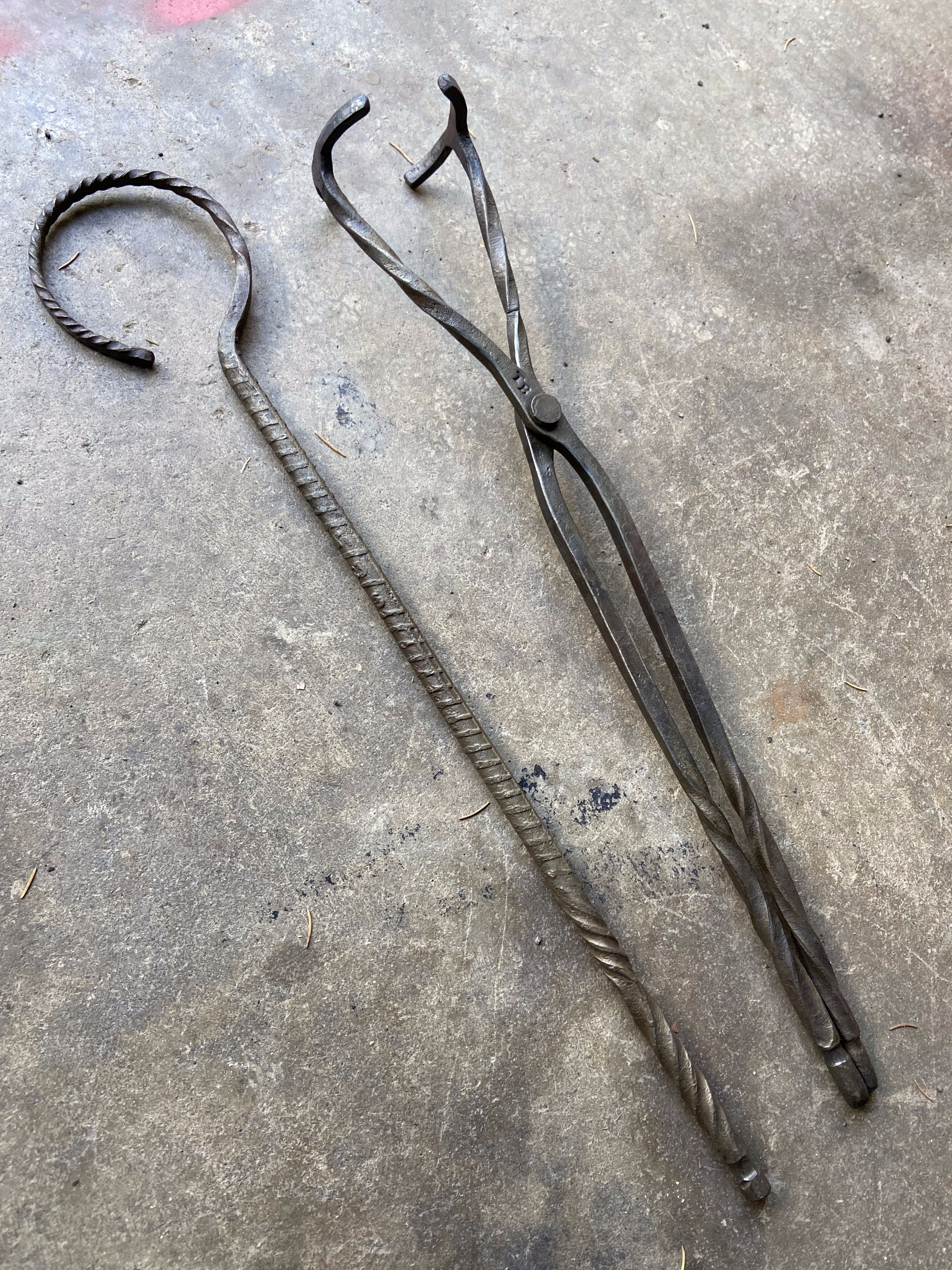
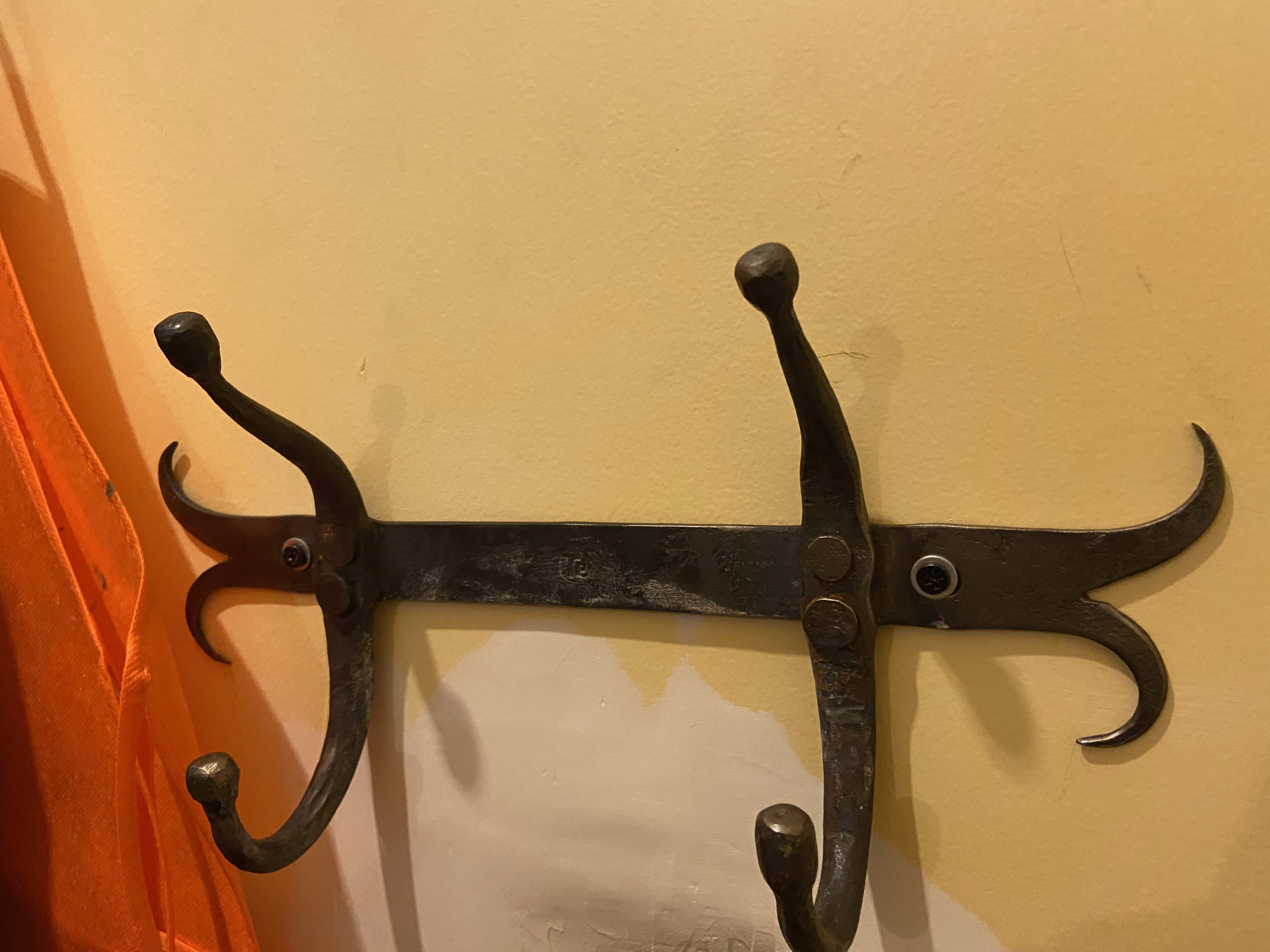
From there: a coat hook rack — three hooks with scrolled ends and a backplate with decorative punching, mounted to the wall. A fireplace poker with a twisted handle and a formed hook. Crucible tongs with matching jaws, for the foundry. Each piece carries the marks of how it was made: the hammer faces, the drift marks, the scale pattern from the fire. That is the aesthetic. You are not hiding the process. You are displaying it.
There is a sensory grammar to blacksmithing that takes months to learn. Yellow-white heat: the steel moves freely, almost like soft clay. Orange heat: you have a working window of maybe thirty seconds for a single operation. Red heat: corrections only — small adjustments, no major shaping. Black heat means stop, put it back in the fire. Miss the window and you get cold shuts and cracks. Miss it badly enough and you snap the piece. The forge teaches patience through consequences. Every mistake costs a heat, and every heat costs time. You get faster by wasting less of both.